

Advanced Specialised Training (AST) undertaken outside of training is an excellent opportunity to grow skills in an additional area. Training is undertaken over 12 months or 24 months for Rural Generalist Surgery.
AST outside of training includes the following disciplines:
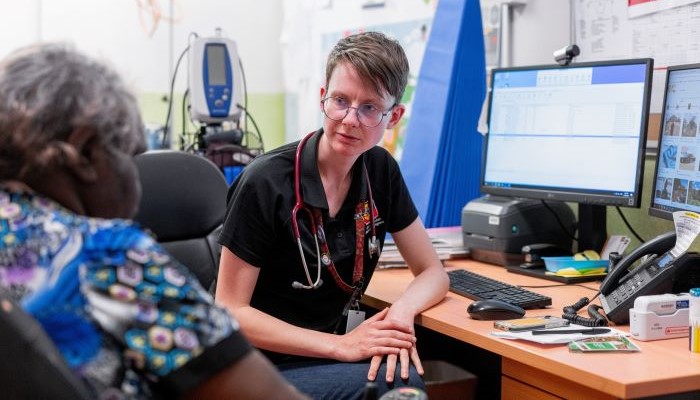
Aboriginal and Torres Strait Islander Health
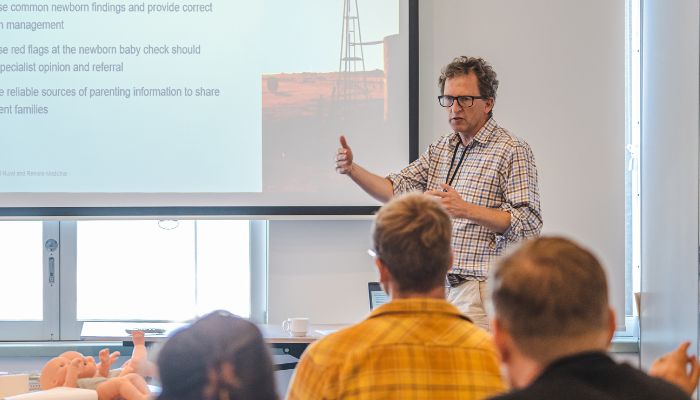
Academic Practice
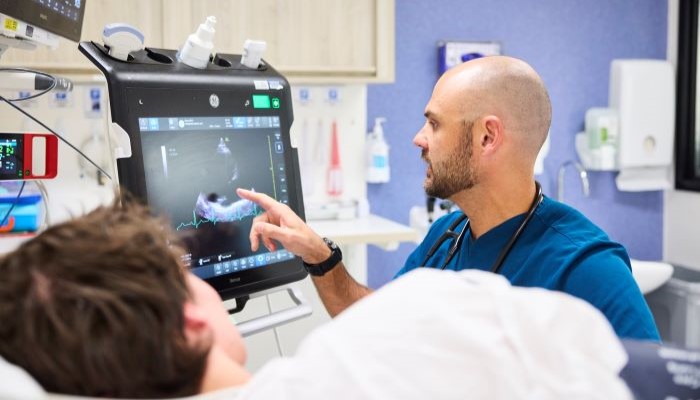
Adult Internal Medicine


To apply for AST outside of training, please complete the application form.
Fees
| Type | Description | Cost | Payable |
| Upfront Fees | |||
| Application Fee | The Application Fee covers the costs of the application and the selection process. | $1,425* | Upon application |
| Ongoing Fees | |||
| Administration Fee | The administration fee covers administrative support and records management while on the AST program. | $2,194.50*^ | annually |
Legend: * Non-refundable, ^ GST free. Fees subject to change/annual fee.
Financial support available for completing AST outside of training
The GP Procedural Training Support Program (GPPTSP) is a Commonwealth-funded initiative designed to improve access to maternity services for women in rural and remote communities by supporting GP Fellows to develop procedural skills in obstetrics or anaesthetics.
Eligible GP Fellows can apply for $40,000 (GST exclusive) to complete either:
- the RANZCOG Associate Advanced Procedural Training Program (APTP), or
- the ANZCA Rural Generalist Anaesthesia (RGA) training program.
To learn more about the program and application process, visit the GPPTSP page.
Resources
FAQs
AST is advanced training that expands the clinical scope of doctors, offering benefits such as clinical privileging in hospitals and supporting expanded medical services in rural and remote communities. It is a key component of becoming a Rural Generalist.
While ASTs are typically part of the Fellowship Program, doctors may also complete an AST outside the program to develop skills in a specific discipline.
Doctors must hold general or specialist AHPRA registration, have a position in an accredited (or accreditable) AST post, meet AST curriculum requirements, complete compulsory courses, and have at least two years of postgraduate experience.
Yes. Additional relevant experience is strongly recommended for Aboriginal and Torres Strait Islander Health, Adult Internal Medicine, and Remote Medicine. Each AST handbook outlines what additional requirements are in place and mechanisms for achieving these.
- Aboriginal and Torres Strait Islander Health
- Academic Practice
- Adult Internal Medicine
- Anaesthesia
- Emergency Medicine
- Mental Health
- Obstetrics and Gynaecology
- Paediatrics
- Palliative Care
- Population Health
- Remote Medicine
- Surgery
Most ASTs take 12 months, while the Surgery AST requires 24 months.
Yes. Participants must pay application submission fees and ongoing training and assessment fees.
Training must occur in an ACRRM accredited post, such as general practices or hospitals accredited for the specific AST delivery.
Supervision is guided by requirements within the discipline-specific AST handbook and aligned with ACRRM Supervisor and Training Post Standards.
No. You will need to re-apply for the new AST.
During your completion of the AST, you will receive the ongoing support of a dedicated Training Program Adviser and Medical Educator experienced in the AST.
There are also specific exam support resources such as study group access available on a fee pay basis.